
Why Sleep Is Your Best Medicine
The Healing Power of Sleep
We often hear that a good night's sleep is important, but do we truly understand why? The phrase "Sleep is Medicine" suggests that sleep does much more than just resting the body; it plays a crucial role in maintaining our health and well-being. Let's explore how sleep serves as nature's remedy.
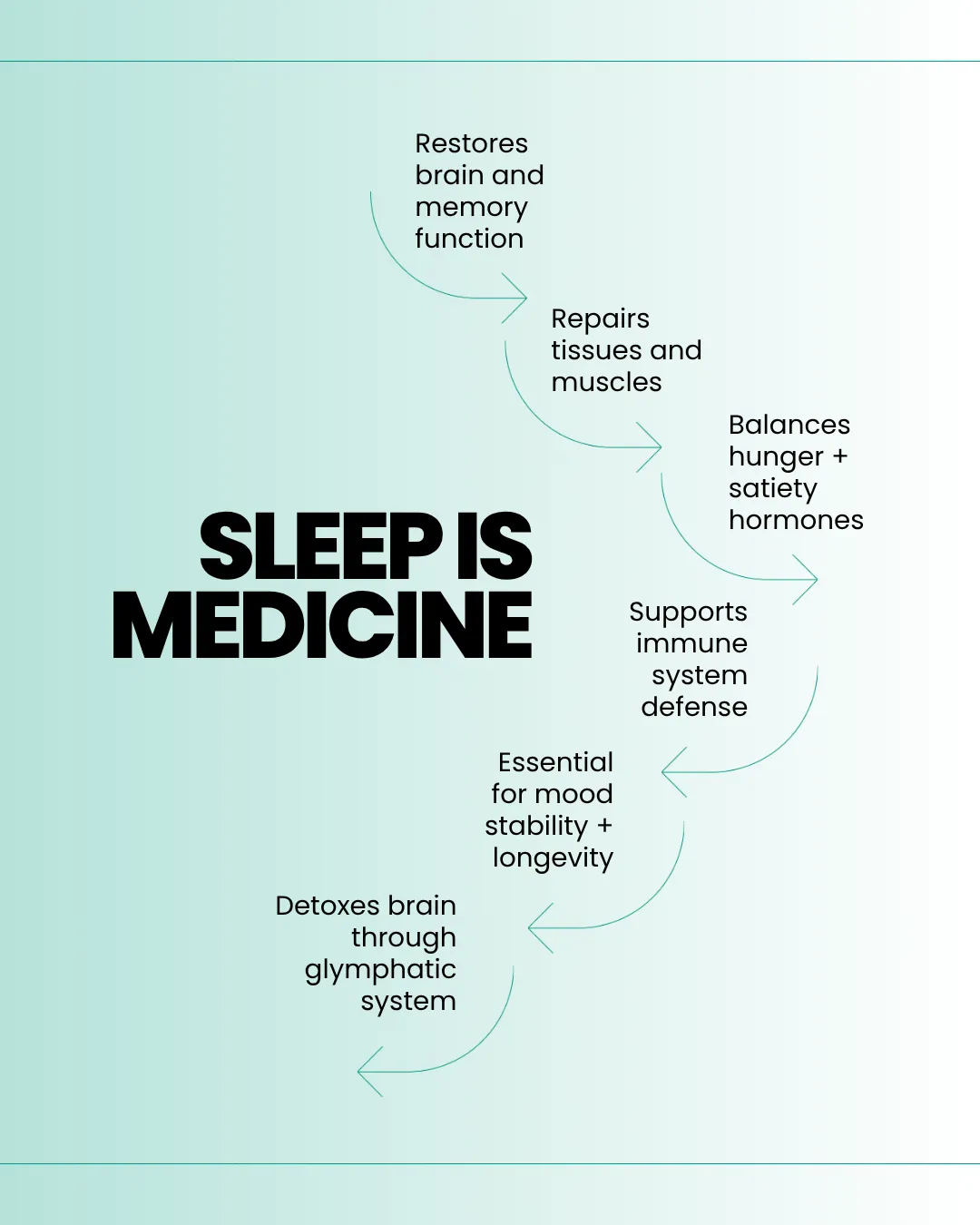
1. Restores Brain and Memory Function
During sleep, our brains get to work on organizing and storing information. This is vital for learning and memory. Adequate sleep helps us remember what we learn each day, making it easier to recall things when we need them. Think of sleep as a librarian, sorting and storing books on the shelves of your brain.
2. Repairs Tissues and Muscles
Ever wonder why athletes and fitness enthusiasts emphasize the importance of sleep? During sleep, particularly deep sleep, the body produces growth hormones. These are crucial for repairing muscles and tissues, which allows the body to recover from daily activities. Whether you are running a marathon or just had a busy day, sleep is when your body physically heals itself.
3. Balances Hunger and Satiety Hormones
Did you know that lack of sleep can affect your appetite? When you don’t get enough rest, your hunger hormones can get out of balance. Sleep helps regulate hormones that make us feel hungry or full. Proper sleep can help maintain a healthy weight by preventing overeating.
4. Supports Immune System Defense
Sleep is a big part of keeping our immune systems strong. During sleep, our bodies produce proteins that fight infections and inflammation. These proteins are like tiny soldiers that help keep us healthy. When we sleep well, our bodies are better prepared to fight off colds, flu, and other illnesses.
5. Essential for Mood Stability and Longevity
A good night’s sleep helps keep our emotions in check. People who sleep well are often happier and less irritable. Poor sleep, on the other hand, can lead to mood swings and even depression. Over time, getting enough sleep can also contribute to a longer, healthier life.
6. Detoxes Brain Through the Glymphatic System
Sleep gives our brains a chance to cleanse themselves. The glymphatic system clears out waste and toxins while we dream. This detox function is crucial because it helps prevent cognitive issues and disorders, keeping our minds sharp as we age.
How Many Hours Should You Sleep?
While everyone's needs are different, most people should aim for 7 to 9 hours of sleep each night. Consistency is also key—going to bed and waking up at the same time every day can help regulate your body's internal clock.
Tips for Better Sleep
- Create a Relaxing Routine: A warm bath, reading, or soft music can make it easier to fall asleep.
- Keep Your Room Dark and Cool: These conditions mimic the natural environment that signals sleep to your body.
- Limit Screen Time Before Bed: The blue light from phones and computers can interfere with falling asleep.
- Avoid Caffeine Late in the Day: It can keep you awake longer than you’d like.
In conclusion, never underestimate the power of a good night's sleep. It's not just about closing our eyes; it’s about opening the doors to a healthier, happier life. Sleep truly is medicine—nature's gift that heals, restores, and empowers us to live more fully.
