
Understanding Gas and Bloating: Causes and Solutions
Understanding Gas and Bloating: Causes and Solutions
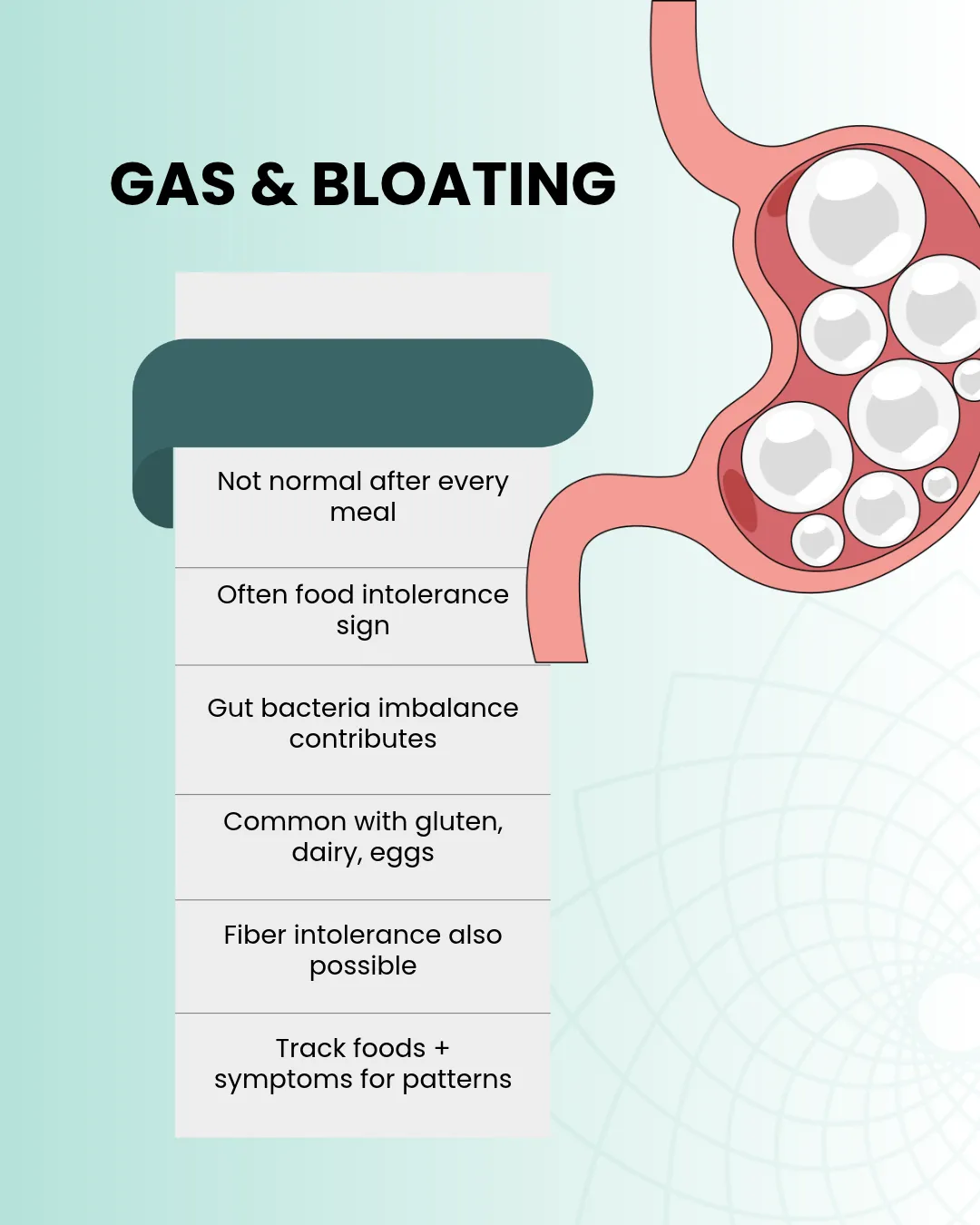
Many people experience gas and bloating at some point. It's that uncomfortable feeling after eating when your stomach feels full and tight. While occasional gas is normal, having gas or bloating after every meal is not. Let's explore what might be causing this and what you can do about it.
Why Do We Experience Gas and Bloating?
Gas and bloating can result from various reasons. Understanding these causes can help you manage them better:
- Food Intolerances: Sometimes, gas and bloating can be signs that your body is having trouble digesting certain foods. This is often referred to as food intolerances. When your body cannot handle foods like gluten, dairy, or eggs, it might react by producing excess gas.
- Gut Bacteria Imbalance: Our digestive systems are home to a variety of bacteria. Some of these bacteria are good, and some can cause problems if they grow too much. This imbalance can lead to extra gas and bloating.
- Fiber Intolerance: Fiber is essential for a healthy digestive system, but too much fiber or the wrong type can also cause bloating. Some people might be sensitive to high-fiber foods, leading to discomfort.
Common Foods That Cause Gas
While everyone is different, there are some common culprits that often cause gas:
- Beans and Legumes: These are high in fiber and can sometimes cause gas if not properly digested.
- Gluten: Found in wheat and several grains, gluten intolerance is common and can cause bloating.
- Dairy: Milk and other dairy products can lead to gas, especially in those with lactose intolerance.
- Eggs: Some people have sensitivities to eggs, which can lead to digestive troubles.
Tracking Your Symptoms
To figure out what's causing your gas and bloating, it might be helpful to track your foods and symptoms. Here's how you can do it:
- Start a food diary and write down everything you eat.
- Note when you feel bloated or gassy and see if there is a pattern with specific foods.
- Consider discussing your findings with a healthcare provider who can help you identify any intolerances.
Solutions for Relieving Gas and Bloating
There are several ways to relieve gas and bloating once you identify the cause:
- Dietary Changes: If you find that certain foods are causing problems, try to avoid them or find alternatives.
- Probiotics: These are supplements that contain good bacteria and can help balance your gut.
- Chew Thoroughly: Make sure to chew your food well. This helps break it down and makes it easier to digest.
- Stay Hydrated: Drinking water can help your digestive system work better.
Conclusion
Gas and bloating are common problems, but they don't have to be a part of your daily life. By understanding the causes and keeping track of your symptoms, you can take steps to find relief. Always talk to a healthcare provider if you're experiencing regular discomfort to get the best advice.
