
Foods That Affect Joint Pain
Understanding the Connection Between Joint Pain and Food
Joint pain can be a common complaint, but did you know that the foods you eat might be affecting your joints? Many people don't realize how diet and joint pain are linked. By understanding this connection, you can make simple changes to your eating habits that might help reduce your pain.
How Inflammation Links Food to Pain
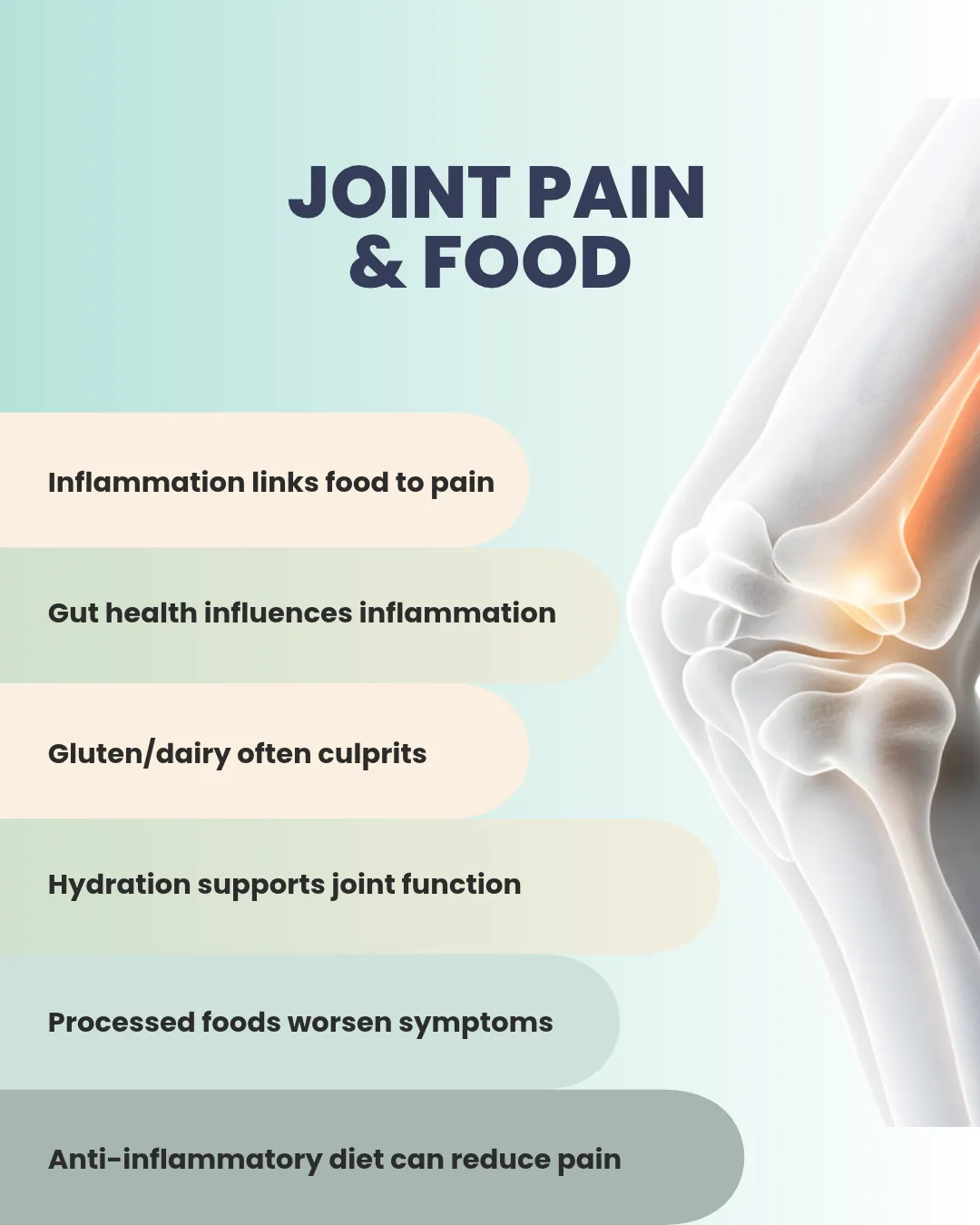
Inflammation plays a big role in how food affects joint pain. When you consume foods that cause inflammation, it can lead to increased pain and discomfort in your joints. This process occurs because certain foods can trigger inflammatory reactions in the body.
The Role of Gut Health in Inflammation
Gut health influences inflammation. A healthy gut can help keep inflammation in check, while an unhealthy one can exacerbate it. Eating a diet rich in fiber, probiotics, and other gut-friendly foods can help maintain a balanced gut environment.
- Probiotics: Found in yogurt, kefir, and fermented foods like sauerkraut.
- Fiber: Present in fruits, vegetables, and whole grains.
Common Culprits: Gluten and Dairy
Gluten and dairy often are culprits when it comes to joint pain. Some people may experience inflammation from gluten-containing foods and certain dairy products. If you think these might affect you, try an elimination diet to see if your symptoms improve.
The Importance of Hydration for Joint Function
Hydration supports joint function. Drinking enough water is essential for your overall health, including your joints. Water helps maintain synovial fluid, which cushions your joints and reduces friction.
- Drink at least 8 cups of water a day.
- Include water-rich foods like cucumbers and watermelons in your diet.
Avoiding Processed Foods
Processed foods worsen symptoms. These foods often contain unhealthy fats, sugars, and chemicals that can lead to inflammation. By cutting down on processed foods, you may notice an improvement in your joint pain.
The Power of an Anti-inflammatory Diet
An anti-inflammatory diet can reduce pain and help manage joint discomfort. Focusing on whole foods like fruits, vegetables, lean proteins, and healthy fats can make a significant difference. Consider including:
- Omega-3 fatty acids: Found in fish like salmon and nuts like walnuts.
- Antioxidants: Present in colorful fruits and vegetables.
Simple Steps to Start Today
Starting to change your diet can seem daunting, but it doesn't have to be. Begin with small, manageable changes, and observe how your body responds. You might find relief from pain and gain more energy.
1. Add More Whole Foods
Introduce more fruits, vegetables, and lean proteins into your meals. These are packed with nutrients that can support your joints.
2. Reduce Inflammatory Foods
Identify foods that cause inflammation and try to cut them out. Your body may thank you for it.
3. Stay Hydrated
Keep a water bottle with you throughout the day as a reminder to drink water regularly.
4. Listen to Your Body
Everyone is different, so pay attention to how certain foods affect you. Keep a food diary if it helps track your symptoms.
By educating yourself and making thoughtful choices, you can take an active role in managing your joint pain. Your diet is not just about eating but fueling your body with what it needs to thrive.
