
Unlock Health with Elimination Diets
Understanding Elimination Diets for Better Health
Have you ever felt bloated after a meal or noticed unexplained skin rashes? These could be signs that your body is reacting to certain foods. One way to find out what might be causing these reactions is through an elimination diet. This blog post will explore what elimination diets are and how they can help improve your health.
What is an Elimination Diet?
An elimination diet involves removing certain foods from your diet for a few weeks and then slowly reintroducing them to identify any that cause adverse reactions. It's a method that helps pinpoint food sensitivities, intolerances, or allergies.
Steps in an Elimination Diet
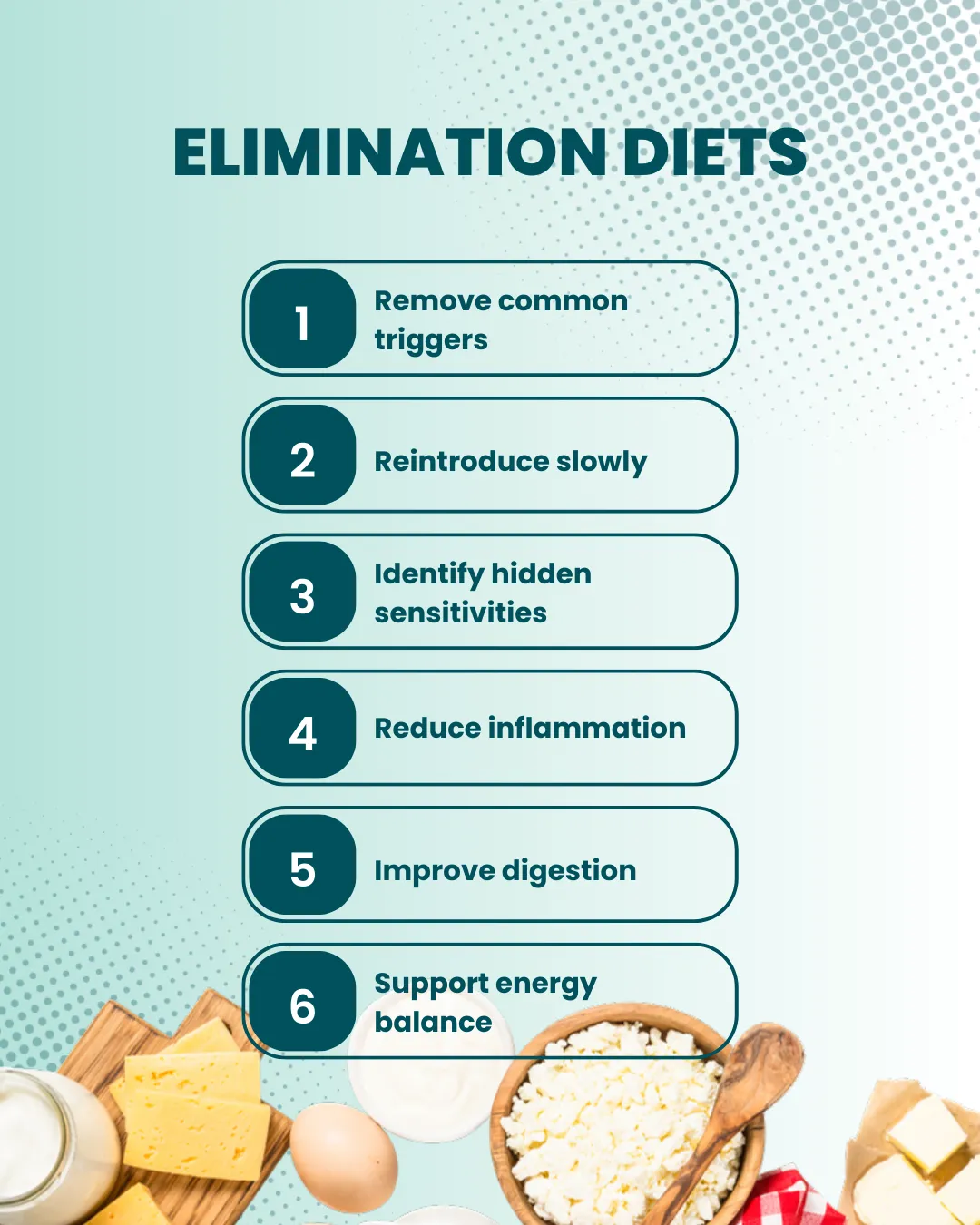
1. Remove Common Triggers
- Dairy
- Gluten
- Soy
- Sugar
- Caffeine
Start by eliminating these common triggers. These are foods more likely to cause sensitivities in many people.
2. Reintroduce Slowly
After a few weeks of elimination, begin reintroducing the foods one at a time. Take your time with this step to observe any reactions your body might have.
3. Identify Hidden Sensitivities
Pay attention to your body's reactions. This could include digestive discomfort, headaches, or skin changes. Write down any symptoms in a food diary to help track your progress.
Benefits of Elimination Diets
4. Reduce Inflammation
Elimination diets can help reduce inflammation in the body, which is often the result of food intolerances. By identifying and avoiding these trigger foods, you can help soothe inflammation and improve overall well-being.
5. Improve Digestion
Once trigger foods are identified and removed, many people experience better digestion. Symptoms like bloating, gas, and stomach pain may decrease.
6. Support Energy Balance
Eating the right foods can help maintain a healthy energy balance. Avoiding foods that your body struggles to digest can lead to more consistent energy levels throughout the day.
Getting Started
Starting can seem challenging, but here's a simple plan:
- Create a meal plan focusing on whole foods.
- Keep a food diary to note what you eat and any symptoms.
- Consult with a healthcare professional for guidance suited to your needs.
Conclusion
Elimination diets can be a powerful tool for understanding your body's nutritional needs. By carefully eliminating and reintroducing foods, you can identify triggers that might be affecting your health. Remember, it’s essential to approach this method with patience and attention.
By following these steps and tips, you are on the pathway to better digestion, reduced inflammation, and a balance in energy that can make you feel more vibrant and healthy.
